Promenade or Back Street? Choosing Your Route to a Waterside Match
Choose a promenade or back-street route to a waterside match with a clear sense of the trade-offs, access checks, and arrival pace each one brings.
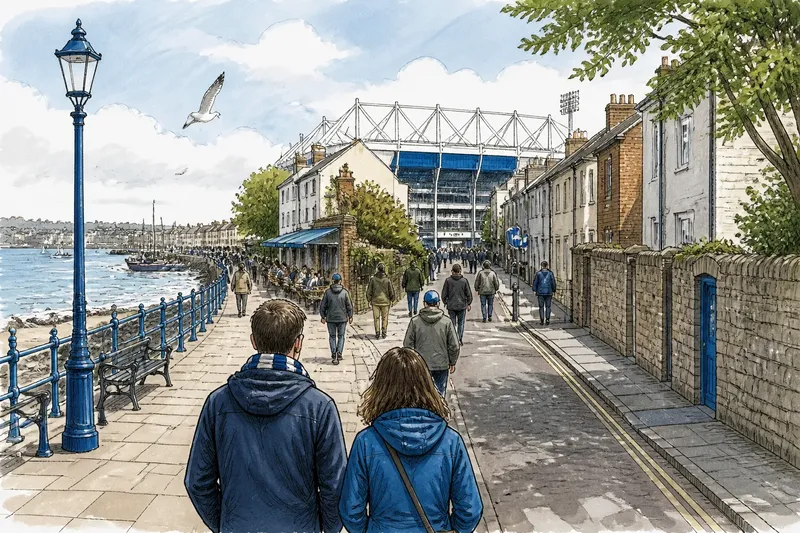
A promenade route makes the walk to a waterside match part of the day; a back-street route usually puts the venue ahead of the scenery. The best approach depends on what you need from the journey: room to walk at an easy pace, a more direct line, or a route that remains useful if conditions or crowding change.
Those labels describe broad route types, not a promise about a particular town. A promenade may narrow, divert, or be closed, while a street route may cross busy junctions or pass through areas with limited pedestrian space. Treat the choice as a comparison to make with current local information, rather than assuming every waterfront path is open or every side street is quicker.
Two kinds of approach
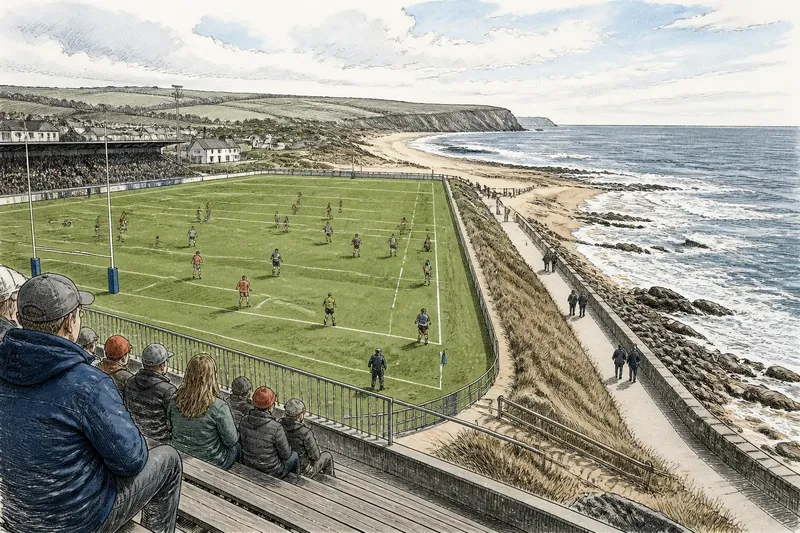
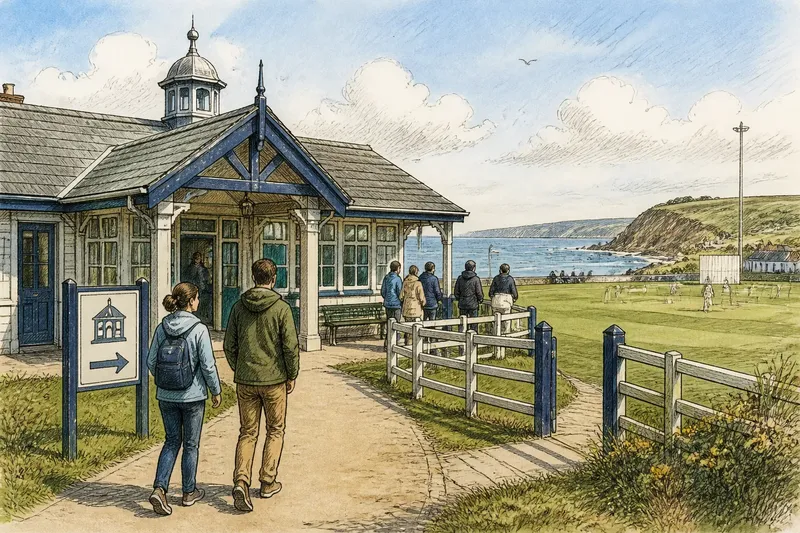
A promenade is a public-facing walkway beside the shore, harbor, or waterfront. It can offer open views and a legible direction of travel: follow the water toward the venue. Benches, cafés, and broad paved stretches may make the walk feel like a gradual arrival rather than a transfer from transport to turnstile.
A back-street route uses local streets behind or alongside the waterfront. It may connect a transit stop or parking area to the ground with fewer detours. Its character depends on the street layout: one route might use quiet residential blocks, another might include a main road, narrow sidewalk, or several crossings.
Neither route type is automatically the shorter, easier, or more accessible option. A map can show distance and turns, but it may not show a temporary barrier, a steep approach, a crowded bottleneck, or the condition of a path. Compare the actual route details that matter to your group.
What the promenade offers
The open approach can help you settle into the occasion. You can see the water, orient yourself, and leave a little space between the day’s travel and the busy entrance area. If you are meeting friends, a recognizable stretch of waterfront can also be easier to describe than a particular corner among back streets.
That openness comes with exposure to the setting. The path may have little shelter, and wind, glare, spray, or a wet surface can affect how comfortable the walk feels. These are not reasons to rule out the promenade; they are reasons to check the forecast and the route’s surface before choosing it.
Crowd patterns can change its character, too. A popular seafront path may carry people heading to the match alongside walkers, cyclists, or visitors who are not going to the venue. Look for local guidance about shared-use paths and event access. If the promenade is congested, a street alternative may offer a calmer way in, provided it is open and suitable for pedestrians.
What back streets offer
A street route can make the venue easier to reach when your priorities are a simple connection from transit, a familiar landmark, or less time walking beside an exposed shoreline. It may also provide more opportunities to pause indoors along the way, depending on the neighborhood and what is open on matchday.
Its apparent directness can be misleading. A street that points toward the ground may end at a road crossing, a dead end, a restricted entrance, or a block where pedestrians have little room. Check the route as a pedestrian route, not just as a line between two map pins. Note crossings, sidewalks, slopes, and the venue’s designated entrance.
Back streets can feel less obvious if you do not know the area. A clear landmark, such as a transit station or public square, can make the route easier to follow than a chain of unfamiliar turns. Avoid relying on a shortcut through a private lot, service lane, or gated passage unless public access is clearly stated.
Compare the walk, not the label
Before leaving, check the venue’s travel information and local notices for closures, event-day pedestrian arrangements, and the entrance you plan to use. A venue may direct visitors away from a waterfront gate or ask them to approach from a particular street. That guidance should shape the route choice more than a scenic preference.
Then compare the features that affect your group:
- Surface: Is the route paved, uneven, slippery when wet, or interrupted by steps?
- Crossings: How many roads must you cross, and are there marked pedestrian crossings?
- Space: Is there room to walk together, pass others, or pause without blocking the path?
- Exposure: Does the route leave you in open wind or sun for most of the walk?
- Wayfinding: Can you follow named streets or visible landmarks without guessing at turns?
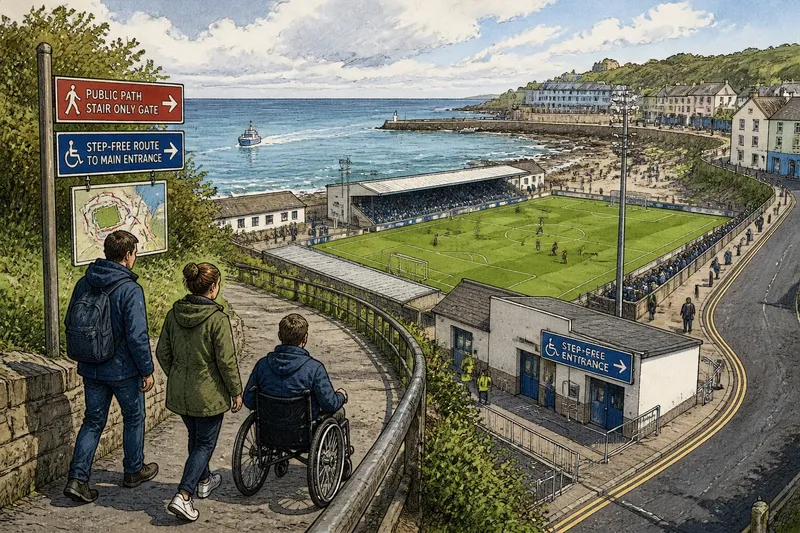
- Access: Does the route suit anyone in your group who uses a mobility aid or needs a level, step-free path?
- Arrival: Does it lead to the entrance you are permitted and expected to use?
Use the venue’s own access information for details that depend on the site, and check current local signs or instructions where access conditions may change. If the available information does not answer a practical question, contact the venue before setting out rather than inferring access from a map image.
When should you choose the promenade?
Is the waterfront path open on matchday?
Check the venue and local authority notices for closures, diversions, or event-day restrictions. If the information is unclear, plan a street alternative rather than assuming the full waterfront path is available.
Does a promenade suit a slower arrival?
It can, especially if your group wants room to walk and time to orient itself before reaching the entrance. Allow for shared path users and any busy sections near waterfront attractions.
Could the promenade be difficult in poor weather?
Open paths can feel more exposed, and surfaces may be affected by rain or spray. Check current conditions and choose a route whose surface and shelter suit the people walking with you.
Is the street route always quicker?
No. Crossings, barriers, one-way layouts, and entrance restrictions can erase the apparent advantage. Compare the pedestrian route and the venue’s approach instructions, not only the distance shown on a map.
Plan a flexible arrival
Say you are meeting a friend at a transit station before a late-afternoon match, and both routes appear available. You could check the venue’s entrance notice, confirm that the promenade is open, and compare its exposed stretch with the crossings on the street route. If the open walk suits your group and the path is clear, take it; if a closure or awkward surface appears in current notices, use the street approach and meet at the same agreed landmark. The useful result is a shared plan that can adapt without leaving anyone to guess where to go.
Agree on a meeting point before splitting from other travel plans. Choose a public landmark that is easy to identify, not a moving detail such as “near the gate” when several entrances may be in use. Share the route name or a map pin, and tell your group which entrance you are heading toward.
If the venue sits close to both the shore and a street grid, the approach can be mixed: use a street to reach a clear waterfront access point, then continue along the promenade if it remains open and comfortable. That is not always the shortest line, but it can preserve the open arrival while avoiding a difficult stretch. Make the switch only where public access and the direction are clear.
Make the choice on the day
For a waterside match, the promenade-versus-back-street decision is best made with three things in view: current access, the needs of the people walking, and the kind of arrival you want. The promenade favors openness and a visible connection to the shore; back streets may favor a direct link and familiar urban landmarks. Either can work well when the route is open, pedestrian-friendly, and aligned with the venue’s instructions.
Keep one alternative in mind, but do not turn the walk into a search for clever shortcuts. A clear, permitted route is easier to follow and easier to explain to companions. Once you know which entrance to use and where to meet, you can spend less attention on the approach and more on arriving together.