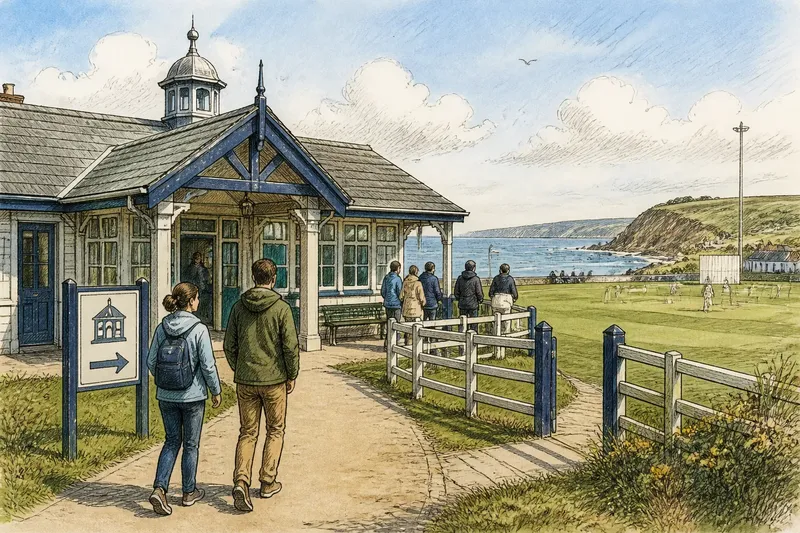
The Sea-View Seat Is Not Always the Best View
A sea-view seat can shape how you experience a coastal match. Compare the ground’s layout, access and surroundings to choose a spot that suits your plans.
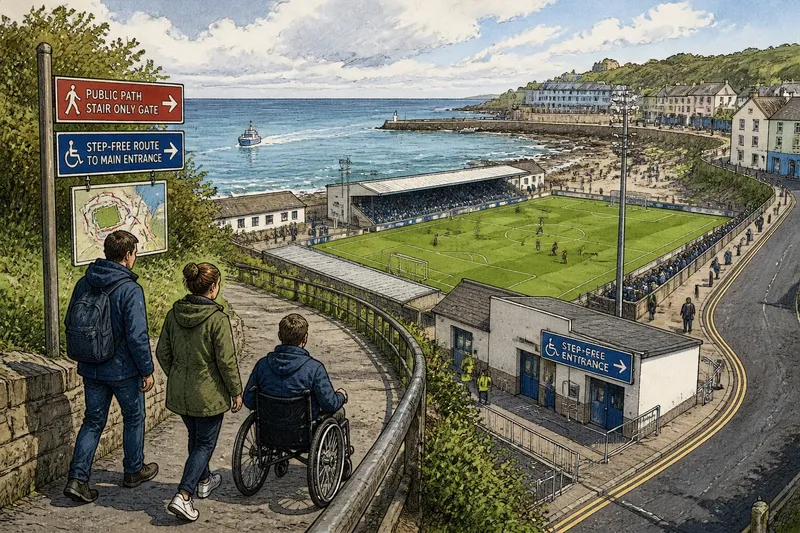
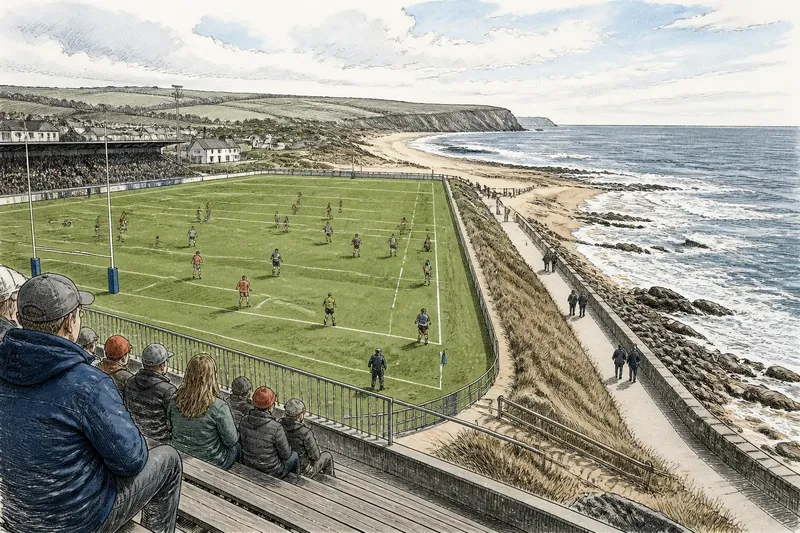
A sea-view seat can shape the whole experience of a coastal match, but it is not always the best place to follow the game. At a small ground, the coast may affect how you arrive, where crowds gather and how long you want to stay after the final whistle.
Beyond the seating plan
A seating map shows the ground, not the matchday around it. A shoreline path may bring spectators to one entrance, while a harbor road or promenade can make another approach easier. Nearby cafés, public paths and parking areas can also influence when people arrive and which parts of the venue feel busy.
Think about the whole visit before settling on a seat. If you plan to watch every passage of play, choose a position that faces the field comfortably. If the match is part of a longer coastal outing, consider how easily you can move between the ground and the shore without missing the start or leaving your group behind.
Arrivals shape the day
At a compact coastal venue, the shortest route is not always the simplest. A road beside the water may be busy with local traffic, while a footpath can be exposed to wind or become awkward for a wheelchair, stroller or anyone carrying equipment. Check the venue’s directions, public transport information and access notes before choosing a route.
Look for details that change the decision: a step-free entrance, a gate that closes after kickoff, or a path that crosses the same approach used by players and staff. If any point is unclear, contact the venue. For visitors with mobility or other access needs, ask about the route from arrival point to seating rather than relying on a general map.
Shoreline interruptions
The shore can pull attention away from the game without being visible from the seat. A passing boat, people moving along a public path or activity near a slipway may draw the eye during play. At some venues, beach access also means spectators share nearby space with people who are not attending the match.
Decide whether that activity sounds like part of the occasion or a distraction. If you want an uninterrupted view of play, prioritize the field and use a dedicated break to visit the water. If you enjoy watching the wider scene, a position near the edge of the venue may suit you, provided it does not interfere with access or other spectators.
Weather beyond the field
Coastal conditions can feel different on an open walkway than in a sheltered part of the ground. Wind may make a route uncomfortable, and wet surfaces can complicate the trip between the entrance, seating and shoreline. A general forecast cannot describe every corner of a venue, so check for local notices and pack for changing conditions.
Bring practical layers that are easy to carry, such as a light waterproof shell, and wear footwear suited to the route you expect to use. Follow venue guidance about umbrellas and other items that may obstruct views or create hazards. If conditions make a path or access point unsuitable, use the venue’s recommended alternative rather than improvising along the water’s edge.
Plan the whole visit
A simple plan can help you compare routes and priorities before leaving home. Check each item and use the result to choose an action:
- Observe whether your route includes steps; if it does and those steps are unsuitable, choose a confirmed step-free route instead.
- Observe whether the venue says a gate closes before or after kickoff; if arrival could be delayed, leave earlier or ask about another entrance.
- Observe whether the path beside the shore is exposed or uneven; if it may be difficult for your group, use the venue’s recommended approach.
- Observe whether public transport stops near an accessible entrance; if it does not, plan a connection or choose another arrival method.
- Observe whether the venue permits umbrellas in the seating area; if they are restricted, pack a waterproof layer instead.
- Observe whether you want to visit the shoreline during the match; if doing so would mean missing play, save the walk for before or after the game.
Say you are planning a fictional visit to a small ground beside a bay. Your group includes someone who avoids stairs, and you want time for a short shore walk after the match. You check the venue directions and find that the nearest public path reaches a stair-only gate, while the venue lists a step-free entrance farther along the road. You choose the step-free approach, allow time to reach the stand, and leave the shore walk until after the final whistle. The trade-off is a less direct arrival in exchange for a route your group can use together and a coastal stop that does not interrupt the game.
Matchday route questions?
Should I arrive by the shore path?
Use it only if the venue confirms it is open and suitable for your group. If access, surface conditions or timing are uncertain, follow the venue’s recommended route.
Can I leave the ground during play?
That depends on the venue’s entry policy and how far the shoreline is from the gate. Check whether re-entry is allowed before leaving, then decide whether the walk is worth missing part of the match.
What should I pack for a coastal match?
Choose layers and footwear for the forecast and your route, and check the venue’s rules for bags, umbrellas and other items. If an item is restricted or may block another spectator’s view, leave it behind or use an allowed alternative.
Who can clarify access arrangements?
Contact the venue’s staff and describe the route or assistance you need. Ask about the arrival point, entrance, seating access and any changes expected on matchday.
Make room for both
A coastal match can be more enjoyable when the shore is treated as part of the day rather than a view that must remain in front of you throughout the game. Plan the route, check access and weather details, and decide when you want time away from the stands.
For a sea-view seat, weigh the matchday setting as well as the field: nearby paths, arrival options and the chance to visit the shoreline all matter. A little planning lets you enjoy the coast on its own terms without making the game harder to attend.